Understanding the Lifespan of Your Sewer System
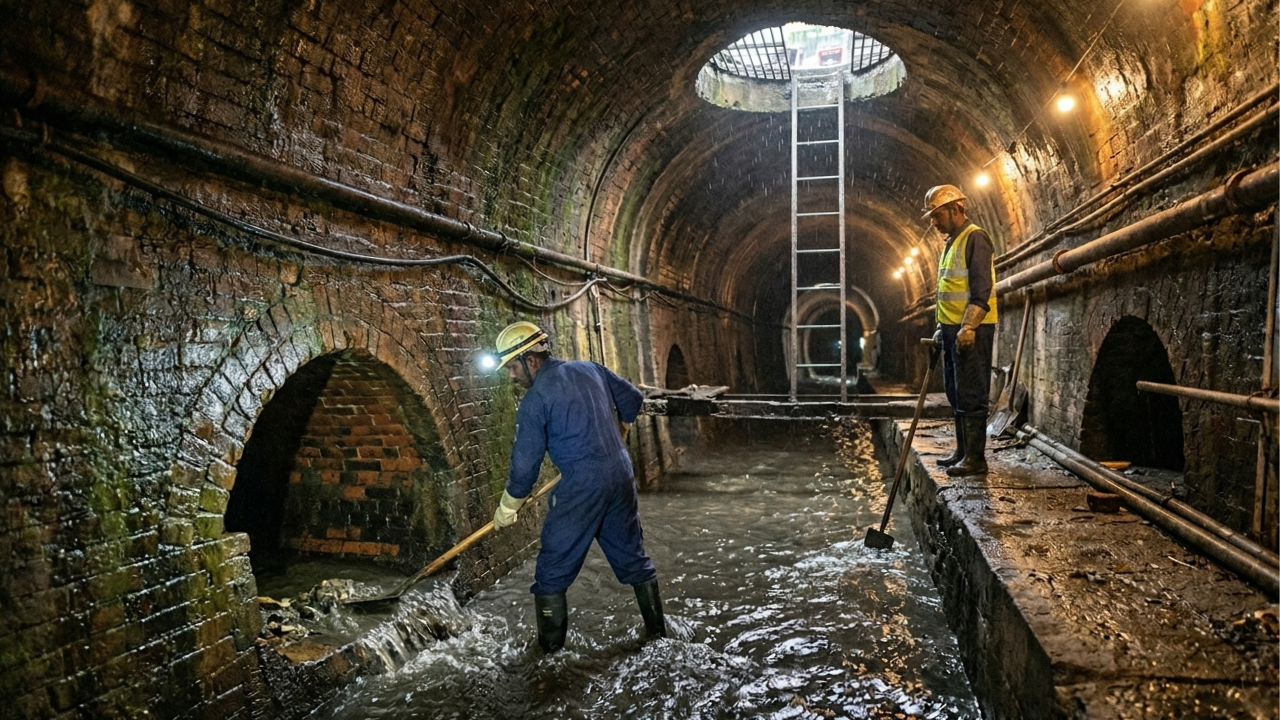
A sewer system is something most property owners rarely think about until a problem shows up. It works quietly underground every single day, moving wastewater safely away from your home or building. But like everything else in a property, it has a limited lifespan. Knowing how long it can last and what affects it helps you avoid sudden surprises and costly repairs.
Many homeowners first learn about sewer care through guides like this detailed sewer line repair guide, which explains how underground issues develop and what early action looks like.
What Impacts How Long a Sewer System Lasts
The lifespan of a sewer system depends on several real world factors rather than a fixed number of years. Pipe material, installation quality, soil movement, and maintenance habits all play a major role.
Older materials and poorly joined pipes tend to break down faster. Soil conditions can also put pressure on underground lines, especially in areas with shifting ground or high moisture levels. Over time, this leads to cracks, leaks, or misalignment in the system.
Regular care makes a big difference. Services like professional drain cleaning help reduce buildup that slowly weakens pipes and reduces efficiency.
How Daily Usage Slowly Affects Sewer Lines
Everyday activities inside a home contribute to gradual wear and tear. Grease, soap residue, food particles, and other waste materials move through the pipes constantly.
These materials can stick to the inner walls of pipes and slowly reduce flow capacity. As the buildup increases, pressure inside the system rises, which can speed up deterioration.
Understanding this process is important because most sewer issues start small before turning into bigger problems. Resources like how drain cleaning improves home plumbing performance explain how routine care helps maintain smooth flow and system health.
Tree Roots and Underground Damage
One of the most common causes of sewer system failure is tree root intrusion. Roots naturally seek moisture and can enter pipes through tiny cracks or weak joints.
Once inside, they expand and create blockages that restrict flow. Over time, this can lead to serious structural damage and shorten the lifespan of the entire system.
Early detection is key. This is why many professionals recommend regular inspections, as highlighted in benefits of regular sewer inspections for your home.
Warning Signs That Your Sewer System Is Aging
A sewer system usually shows signs before it fails completely. Slow draining sinks, repeated clogs, gurgling sounds, and unpleasant odors are common early indicators.
In some cases, you may also notice wet patches in your yard or sewage backups inside the property. These signs often suggest that something is happening underground that needs attention.
A helpful reference for recognizing serious issues is 7 signs your sewer line needs immediate attention.
Why Regular Inspection Makes a Big Difference
Routine inspection is one of the most effective ways to understand the condition of your sewer system. It helps detect cracks, buildup, or root intrusion before they turn into major failures.
Modern inspection methods allow professionals to see inside pipes without digging, making it easier to identify hidden problems early. This approach is explained in sewer camera inspections why they matter before repairs.
These inspections also help homeowners avoid unnecessary costs by addressing issues at the right time, as discussed in how a sewer inspection can save you money.
Repair or Replacement When It Becomes Necessary
As sewer systems age, repairs may become more frequent. Sometimes targeted repairs are enough to restore proper function, especially when damage is limited.
However, when the system is very old or has widespread damage, replacement may be the better long term solution. Understanding this difference is important and explained in the difference between sewer line repair and replacement.
Choosing the right service provider also matters. A helpful guide on this is how to choose the right sewer repair service for your property.
Long Term Care for a Healthier Sewer System
The best way to extend the life of your sewer system is consistent maintenance. Simple habits combined with professional care can significantly improve performance and reduce the risk of failure.
Preventive strategies are explained in preventing plumbing emergencies with pro maintenance, which focuses on avoiding major issues before they start.
Understanding how often inspections should be done also helps maintain system health. This is covered in how often should you schedule sewer inspections.
When Weather and Environment Play a Role
Environmental changes can also affect sewer system performance. Heavy rain, temperature shifts, and soil movement can all impact underground pipes.
This is explained in detail in how weather changes can impact your sewer system, which highlights how external conditions influence system durability.
Final Thoughts
The lifespan of a sewer system depends on many factors, but the most important ones are awareness and maintenance. Regular inspections, timely cleaning, and early repairs can significantly extend how long the system lasts.
Staying informed through trusted resources like Sewer Rescue Inc blog helps property owners make better decisions and avoid unexpected failures.
A well maintained sewer system is not just about avoiding problems, it is about protecting your property, your comfort, and your long term peace of mind.