Understanding Plumbing System Layout in Modern Homes
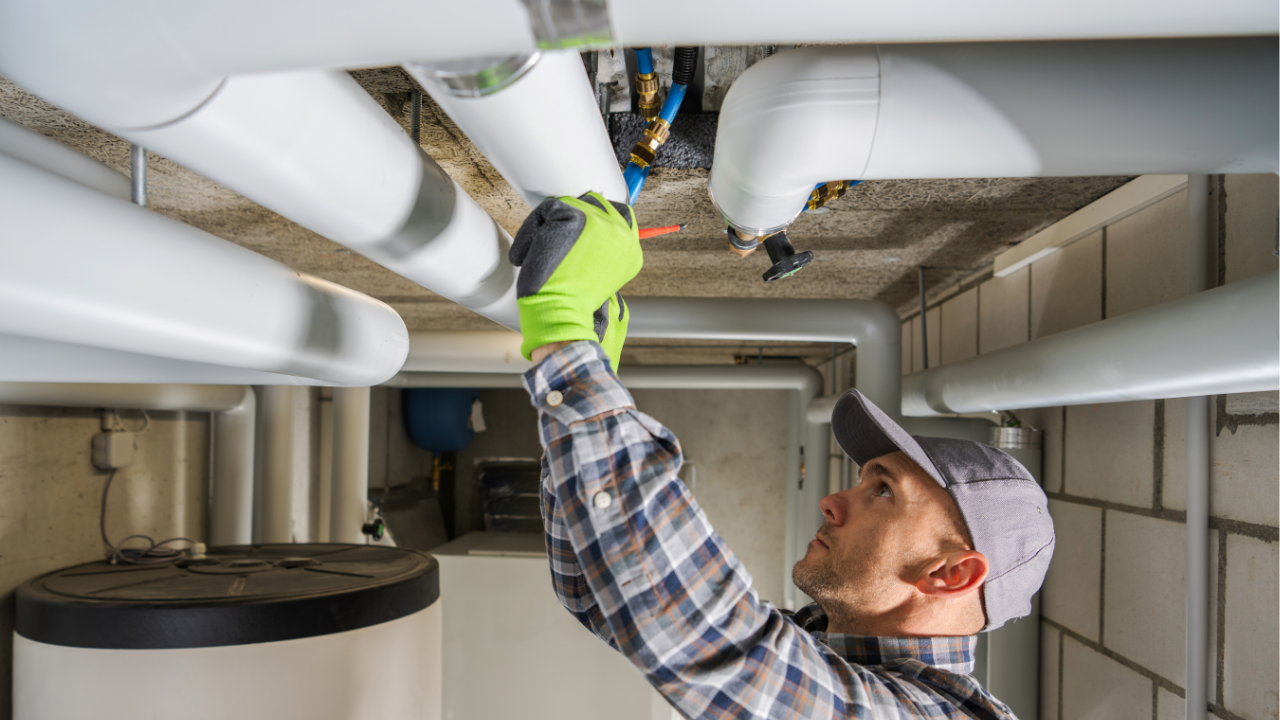
Modern homes rely on plumbing systems every single day, yet most homeowners rarely think about how everything works until a problem appears. From sinks and showers to drains and underground sewer lines, every part of a home’s plumbing system works together to move clean water in and wastewater out efficiently.
Understanding the basic plumbing system layout in a home can help property owners recognize early warning signs of trouble, improve sewer maintenance habits, and know when to contact professionals for sewer line repair or drain and sewer services.
For homeowners and property managers, learning how plumbing systems are organized is especially important because hidden problems such as tree roots in sewer lines, clogged sewer pipes, and underground sewer line damage often develop unnoticed over time.
What Is a Residential Plumbing System?
A residential plumbing system is the network of pipes, drains, fixtures, and sewer connections that supply water to the home and remove wastewater safely.
In modern homes, plumbing systems are generally divided into two main sections:
Water supply system
Drain and sewer system
The water supply system brings clean water into the property, while the drain and sewer system carries wastewater away from sinks, toilets, tubs, and appliances.
To understand how professionals handle these systems, you can explore more about Sewer Rescue services, which cover both residential and commercial plumbing needs.
Main Components of a Modern Plumbing System
Modern plumbing layouts are carefully designed to support daily household use while helping prevent leaks, drainage problems, and sewer backup issues.
Water Supply Lines
Water supply lines deliver fresh water throughout the home, connecting to fixtures such as kitchen sinks, bathrooms, showers, toilets, and washing machines.
Drain Pipes
Drain pipes remove wastewater using gravity flow. When issues arise, resources like common causes of clogged drains help explain why blockages form in home systems.
Vent Pipes
Vent pipes regulate air pressure and allow sewer gases to safely exit the system, ensuring smooth drainage performance.
Sewer Line
The sewer line carries wastewater from the home to the municipal system or septic connection. If problems occur, guides like sewer line repair overview explain how repairs are typically handled.
How Wastewater Travels Through the Plumbing System
Wastewater follows a simple but important path:
Clean water enters through supply lines
Fixtures use the water
Wastewater enters drain pipes
It flows into the main sewer line
It exits through underground sewer systems
Problems in any stage can lead to drainage issues or sewer backup situations.
Why Plumbing System Layout Matters
Understanding plumbing layout helps homeowners detect issues earlier and respond more effectively when problems arise.
Benefits of Understanding Your Plumbing Layout
Early detection of sewer line problems
Better awareness of clogged sewer pipes
Improved maintenance habits
Reduced emergency stress
Easier communication with professionals
For deeper insights, read about benefits of regular sewer inspections.
Common Plumbing Problems in Modern Homes
Even well-designed systems can face issues over time.
Tree Roots in Sewer Lines
Tree root intrusion is one of the most common causes of underground damage. Learn more about how tree roots affect sewer lines.
Clogged Sewer Pipes
Blockages often result from grease, debris, or waste buildup. Preventive tips are explained in preventing sewer backups guide.
Underground Sewer Line Damage
Damage can occur due to aging pipes, shifting soil, or external pressure. Early detection resources like warning signs of underground pipe damage are helpful for homeowners.
What Is a Sewer Inspection?
A sewer inspection is a professional process used to identify hidden issues inside underground pipes.
It helps detect:
Root intrusion
Pipe cracks
Blockages
Drain issues
Sewer backup risks
Learn more in sewer camera inspection guide.
Why Sewer Maintenance Is Important
Routine maintenance helps prevent costly repairs and keeps the system functioning efficiently.
Helpful resources include:
Modern Plumbing in Commercial Properties
Commercial plumbing systems experience heavier usage and require consistent maintenance.
Related reading includes:
When Should Homeowners Contact Professionals?
Recurring issues should never be ignored. Professional help is recommended for:
Frequent clogs
Sewer odors
Slow drains
Backups
Gurgling pipes
If emergency help is needed, read when to call emergency plumbing services.
You can also reach out directly via the contact page.
Quick Plumbing Knowledge
Why vent pipes matter
They balance pressure and ensure smooth drainage.
What causes sewer line damage
Tree roots, aging pipes, soil movement, and blockages.
Why inspections are important
They help detect hidden problems early and prevent costly repairs.
Conclusion
Understanding the plumbing system layout in modern homes helps homeowners stay ahead of costly problems. From water supply lines to underground sewer systems, every component plays an important role in daily comfort and safety.
When issues like clogged sewer pipes or underground pipe damage appear, timely professional support makes all the difference. Learning from expert resources and staying consistent with maintenance can help protect your home for years.
For more information about services and solutions, visit the official site at Sewer Rescue.