How to Spot Plumbing Problems Before They Escalate
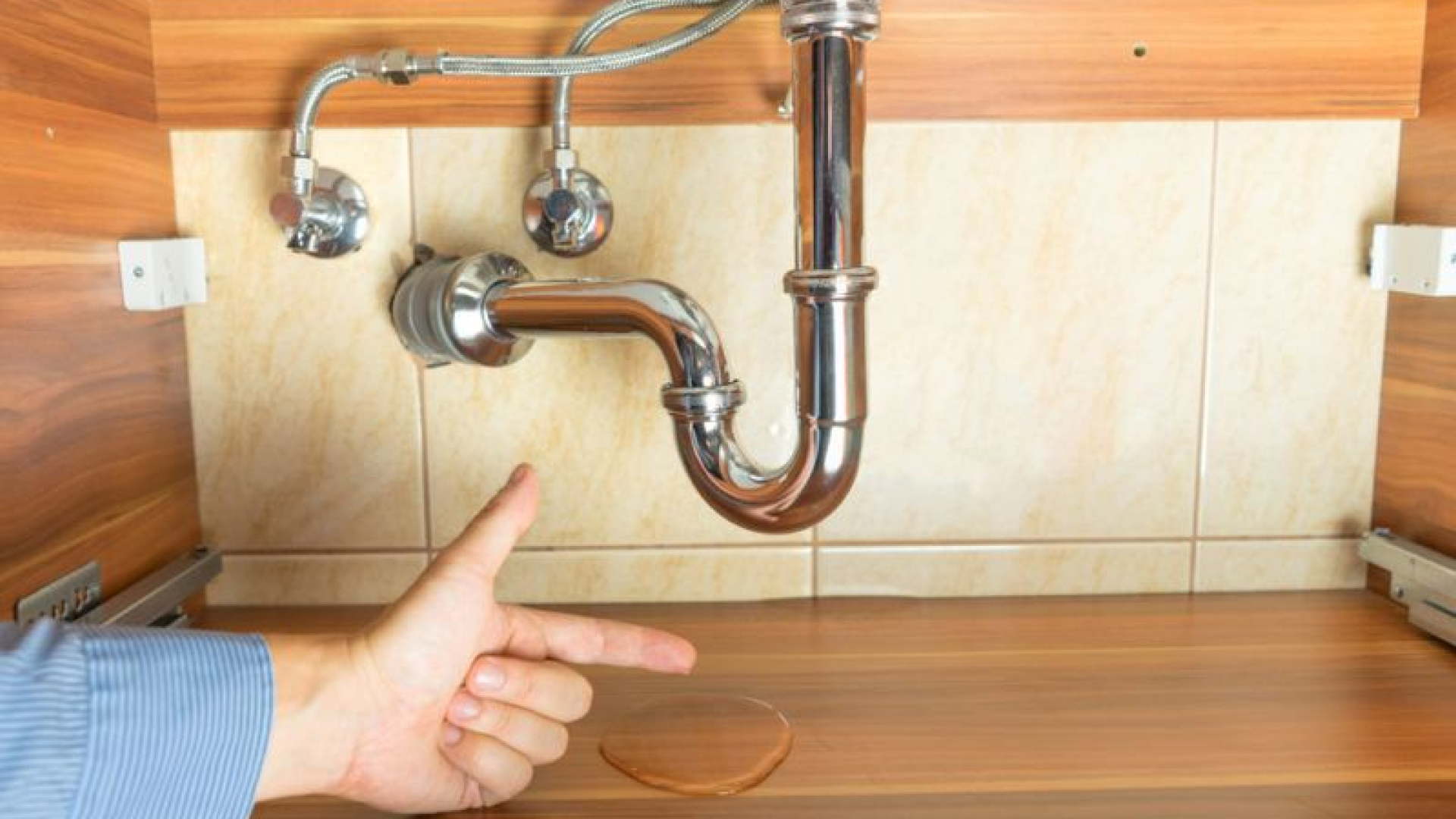
Plumbing issues often begin with small warning signs that are easy to overlook. A slow drain, an unusual odor, or a recurring clog may not seem serious at first, but these early symptoms can point to larger sewer line problems developing underground.
For homeowners, property managers, and commercial property owners, recognizing plumbing problems early can help reduce stress, avoid larger disruptions, and support the long-term condition of the plumbing system. Problems such as tree roots in sewer lines, clogged sewer pipes, and underground sewer line damage tend to worsen over time when left untreated.
Understanding what to watch for can help property owners take proactive action before minor drainage concerns become major sewer repair issues.
Why Early Plumbing Detection Matters
Modern plumbing systems are designed to move wastewater safely away from the property. When something disrupts this process, the entire system may begin showing signs of trouble.
Small plumbing issues can quickly escalate because underground sewer systems operate out of sight. By the time severe backups or drainage failures occur, the damage may already be extensive.
Homeowners who understand why sewer line problems can get worse without repair are often better prepared to respond quickly before underground damage spreads further.
Benefits of Identifying Plumbing Problems Early
Spotting sewer line problems early may help:
Reduce recurring drain clogs
Prevent severe sewer backup issues
Limit underground pipe damage
Improve drainage performance
Support long-term sewer maintenance
Reduce unexpected plumbing disruptions
Professional sewer inspection services can help identify hidden problems before they become more serious.
Slow Drains Are Often an Early Warning Sign
One of the most common signs of sewer line trouble is slow drainage.
If sinks, tubs, or showers consistently drain more slowly than normal, it may indicate a developing blockage somewhere within the plumbing system.
What Causes Slow Drains?
Slow drains may result from:
Clogged sewer pipes
Root intrusion in pipes
Waste buildup
Underground sewer line damage
Drainage restrictions deeper in the system
Occasional drainage issues may seem minor, but repeated slow drains often signal a larger plumbing concern. Learning how drain cleaning improves home plumbing performance may help property owners better understand the importance of proactive maintenance.
Frequent Drain Clogs Should Not Be Ignored
A single clogged drain may happen occasionally in any property. However, repeated clogs in multiple areas of the home or building can indicate sewer line problems underground.
Why Recurring Clogs Happen
Recurring drain clogs may be caused by:
Tree roots in sewer lines
Pipe damage
Sewer blockages
Debris buildup
Aging sewer systems
Temporary fixes may only provide short-term relief if the root cause remains untreated.
Professional drain and sewer services help identify why clogs continue returning. Many homeowners also benefit from understanding the common causes of clogged drains in residential properties.
Sewer Odors May Indicate Hidden Problems
Unpleasant sewer smells inside or outside the property are often a sign that something is wrong within the drainage system.
Persistent odors should never be ignored because they may indicate underground sewer line damage or sewer backup issues.
Common Causes of Sewer Odors
Sewer odors may develop because of:
Damaged sewer pipes
Drain blockages
Sewer backups
Root intrusion in pipes
Ventilation problems within the plumbing system
A professional sewer inspection can help determine the source of the odor and identify hidden sewer line problems. Property owners researching how a sewer inspection can save you money often discover how early detection can reduce larger repair costs later.
Gurgling Sounds From Drains and Pipes
Many homeowners overlook unusual sounds coming from sinks, toilets, or drains. Gurgling noises often happen when air becomes trapped inside the plumbing system due to a blockage or drainage restriction.
What Gurgling Sounds May Mean
Gurgling pipes may indicate:
Clogged sewer pipes
Root intrusion in sewer lines
Venting issues
Underground sewer line damage
Developing sewer backup problems
If multiple drains are making unusual noises, it may signal a larger sewer system issue.
Tree Roots in Sewer Lines Can Create Major Damage
Tree roots are one of the leading causes of underground sewer line damage.
Roots naturally search for water underground. Small cracks or weakened pipe joints may allow roots to enter sewer pipes and grow inside the line.
Warning Signs of Root Intrusion in Pipes
Homeowners should watch for:
Repeated drain clogs
Slow drainage
Gurgling toilets
Sewer odors
Frequent sewer backup issues
Root intrusion often worsens gradually, making early detection especially important. Understanding how tree roots affect underground sewer lines can help property owners recognize risks sooner.
Wet Areas Around the Property May Signal Underground Pipe Damage
Unexpected wet spots in the yard or areas of unusually green grass may indicate underground sewer line damage.
Leaks beneath the surface can affect the surrounding soil and create visible changes outdoors.
Signs of Underground Sewer Problems Outside the Home
Possible outdoor warning signs include:
Wet patches in the yard
Sinking ground near sewer lines
Strong sewer odors outdoors
Areas of excessive grass growth
These symptoms may indicate underground pipe damage that requires professional attention.
Why Sewer Inspection Is Important
Because many sewer line problems develop underground, sewer inspection services are one of the most effective ways to identify issues early.
Professional inspections help locate hidden damage that may not yet be visible on the surface.
What a Sewer Inspection Can Help Detect
Sewer inspections may identify:
Tree roots in sewer lines
Cracked or damaged pipes
Drainage blockages
Underground sewer line damage
Sewer backup risks
Advanced sewer camera inspections allow plumbing professionals to identify hidden issues more accurately and recommend appropriate repair solutions.
The Importance of Routine Sewer Maintenance
Routine sewer maintenance is one of the best ways to reduce the risk of major plumbing problems.
Preventive maintenance helps keep sewer systems functioning efficiently and may uncover minor concerns before they escalate.
Benefits of Sewer Maintenance
Regular sewer maintenance may help:
Improve wastewater flow
Reduce recurring clogs
Identify sewer line problems early
Support long-term plumbing performance
Minimize backup risks
Consistent maintenance can save property owners time and reduce unexpected stress. Property owners can also explore 5 tips for maintaining healthy sewer lines year-round to support ongoing plumbing system performance.
Commercial Properties Also Need Proactive Sewer Care
Commercial plumbing systems often experience heavier use, which can increase the likelihood of sewer line problems over time.
Professional commercial sewer services help businesses manage:
Drain blockages
Sewer line repair needs
Underground pipe damage
Sewer maintenance concerns
Sewer backup issues
Business owners may benefit from reviewing the key differences between residential and commercial plumbing systems to better understand maintenance requirements for larger properties.
Timely inspections and maintenance help support reliable plumbing performance for commercial properties.
Quick Signs Your Plumbing Problem May Be Escalating
Homeowners should seek professional assistance if they notice:
Multiple slow drains
Recurring drain clogs
Persistent sewer odors
Gurgling pipes or toilets
Water backups
Wet spots near sewer lines
These symptoms may indicate developing underground sewer line damage or root intrusion in pipes.
Frequently Asked Questions
What are the first signs of sewer line problems?
Common early warning signs include slow drains, recurring clogs, sewer odors, and gurgling sounds from pipes.
Why do drains keep clogging repeatedly?
Repeated clogs may indicate a larger sewer line issue such as root intrusion or underground pipe damage.
Can tree roots damage sewer pipes?
Yes. Tree roots can enter small openings in pipes and grow inside the sewer line, causing blockages and damage.
What causes underground sewer line damage?
Underground sewer damage may result from aging pipes, shifting soil, root intrusion, or recurring blockages.
Why are sewer inspections important?
Sewer inspections help identify hidden plumbing problems before they become more serious and disruptive.
When should I contact sewer professionals?
Professional help is recommended if you notice recurring clogs, sewer odors, backups, or signs of underground pipe damage.
Conclusion
Many plumbing and sewer issues begin with small warning signs that gradually worsen over time. Slow drains, sewer odors, recurring clogs, and gurgling pipes often indicate larger sewer line problems developing beneath the surface.
Recognizing these symptoms early can help homeowners and property managers avoid severe sewer backup issues, underground sewer line damage, and ongoing plumbing disruptions. Routine sewer inspection and proactive sewer maintenance play an important role in protecting the long-term condition of the plumbing system.
Tree roots in sewer lines, clogged sewer pipes, and underground pipe damage should never be ignored because early action often helps reduce repair complexity and stress later.
Homeowners researching reliable plumbing services or learning more about preventing plumbing emergencies with professional maintenance can often reduce future plumbing disruptions through proactive care.
If you are experiencing drainage issues, recurring clogs, sewer odors, or signs of underground sewer line damage, contact Sewer Rescue to learn more about professional sewer inspection, repair, and maintenance solutions.